
Cashback Apps, Price Adjustments, Mail-In Rebates, and Receipt Scanning: How to Get Real Money Back


1. Quick Summary
What is free
Cash back in the form of money, gift cards, or store credit earned after qualifying purchases.
Who generally qualifies
Consumers making everyday purchases at participating retailers who follow stated submission rules and deadlines.
Typical value
From a few cents per item to full purchase reimbursement for select promotional products; commonly $5–$50 per month for consistent users.
Key limits or restrictions
Offers are limited by product, retailer, quantity, time window, and submission method. Missed deadlines or incorrect documentation result in forfeited rewards.
2. What You Can Get
Cashback apps and receipt scanning
- Cash back on groceries, household items, personal care products, and occasional general shopping.
- Typical value: $0.10–$5 per item; occasional higher-value promotions.
- Limits: one claim per receipt or per offer; caps per account or time period.
Price adjustments
- Partial refunds when an item’s price drops after purchase.
- Typical value: the difference between original and lower price.
- Limits: short time windows, proof of price drop required, exclusions for clearance or special promotions.
Mail-in rebates
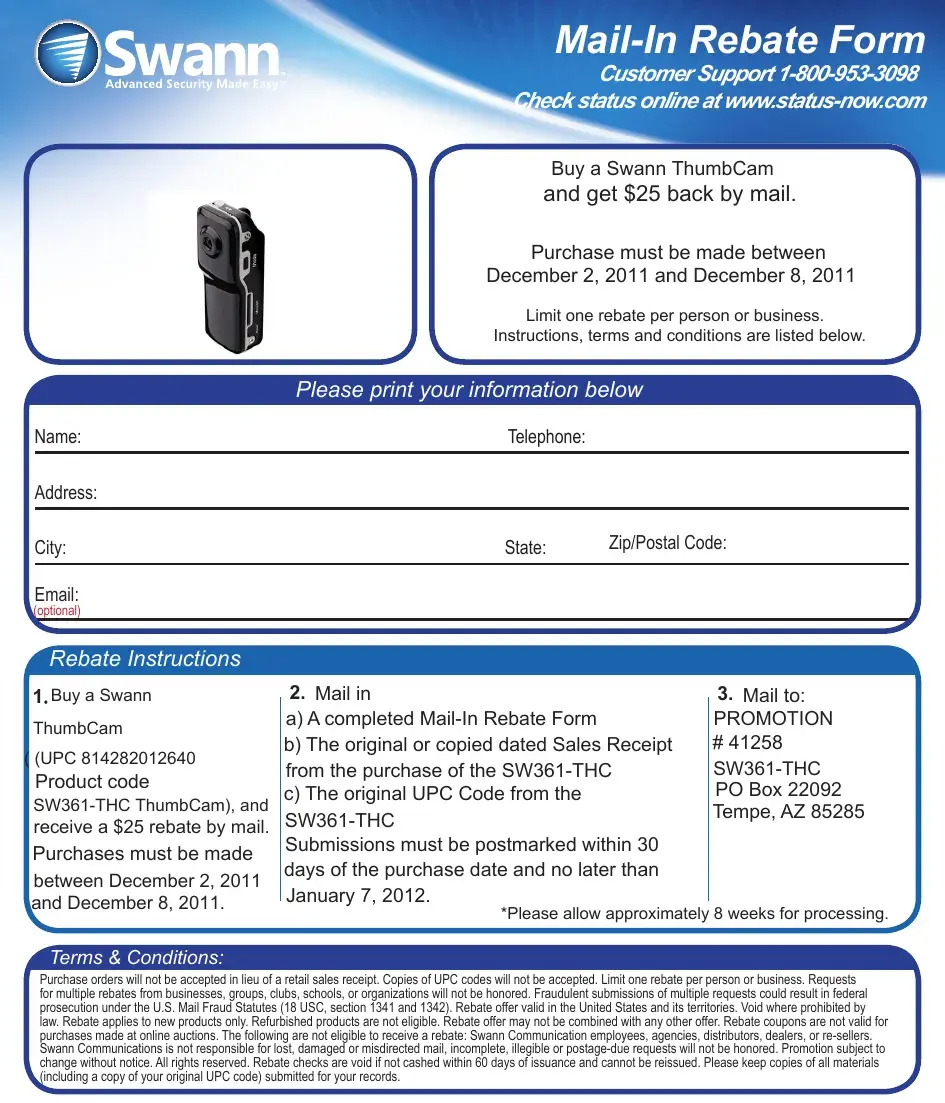
- Checks, prepaid cards, or digital payments sent after submitting proof of purchase.
- Typical value: $5–$100+ depending on product.
- Limits: strict deadlines, complete documentation required, processing times of several weeks.
Receipt-based loyalty rewards
- Points convertible to gift cards for scanning eligible receipts.
- Typical value: slow but steady accumulation over time.
- Limits: daily or monthly receipt caps; participating retailers only.
3. How It Works
Manufacturers and retailers use cashback apps, rebates, and price adjustments to influence purchasing behavior, track product performance, and manage inventory. Instead of lowering shelf prices, companies reimburse consumers after purchase. This approach allows brands to test promotions, collect anonymized data, and reward verified buyers.
The systems are legitimate because payments are funded by manufacturers or retailers and distributed only after purchase verification through receipts, order numbers, or barcodes.
4. Step-by-Step Instructions
- Create an account with established platforms
Register using accurate personal information to avoid verification issues. Examples include Ibotta, Fetch Rewards, and Rakuten. - Review available offers before shopping
Activate offers inside the app or note rebate requirements. Some offers must be selected in advance. - Purchase the qualifying items
Buy exactly the specified product size, brand, and quantity at eligible retailers. - Submit proof of purchase
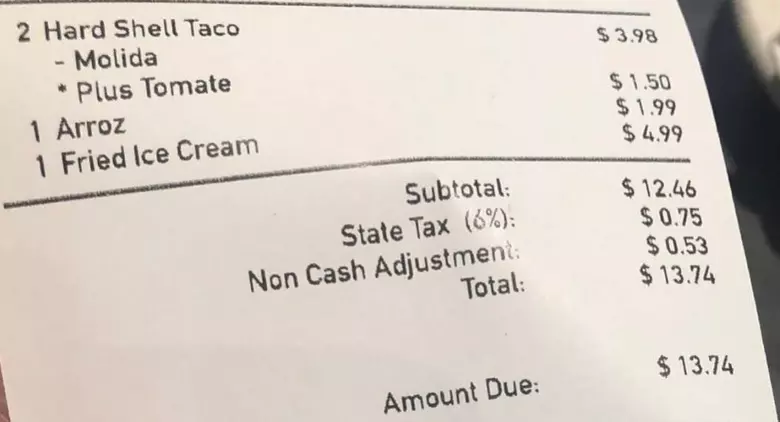
Scan receipts, upload digital invoices, or complete rebate forms as instructed. Ensure dates, prices, and product names are visible. - Wait for verification
App-based rewards typically process within hours to days. Mail-in rebates can take several weeks. - Redeem earnings
Withdraw cash, select gift cards, or receive mailed payments according to the platform’s payout rules.
5. Pro Tips
- Submit receipts immediately to avoid missed deadlines.
- Keep original receipts until rewards are confirmed.
- Stack offers carefully only when rules explicitly allow it.
- Check product details closely; minor size or flavor differences invalidate claims.
- Track rebate submissions with copies or photos for reference.
6. Common Mistakes to Avoid
- Buying non-qualifying versions of a product.
- Missing submission or postmark deadlines.
- Uploading unclear or incomplete receipts.
- Assuming automatic price adjustments without filing a request.
- Creating multiple accounts, which often leads to permanent disqualification.
7. Is It Worth It?
Time vs. value
For routine shoppers, receipt scanning and cashback apps provide modest returns for minimal effort. Mail-in rebates require more time but offer higher individual payouts.
When it makes sense
- Regular grocery or household shopping.
- Planned purchases with known rebates.
- Consumers willing to follow instructions precisely.
When it does not
- Buying unnecessary items solely for rebates.
- Expecting instant or guaranteed payouts.
- Avoiding record-keeping or deadlines.
8. Related Freebie Categories
- Free product samples
- Store loyalty rewards
- Promotional gift cards
- Trial offers with rebates
- Utility or service bill credits