Free Food & Grocery Items: Legitimate Ways to Reduce Food Costs

1. Quick Summary
What is free:
Groceries, prepared foods, pantry staples, fresh produce, and occasional household food essentials.
Who generally qualifies:
Households facing food insecurity, individuals meeting program guidelines, and members of the general public using approved food recovery or community distribution programs.
Typical value:
Approximately $20–$200 per month per household, depending on programs used and availability.
Key limits or restrictions:
Availability varies by program and location. Some benefits are income-based, while others are open-access but limited by supply, frequency, or pickup windows.
2. What You Can Get
Pantry and shelf-stable foods
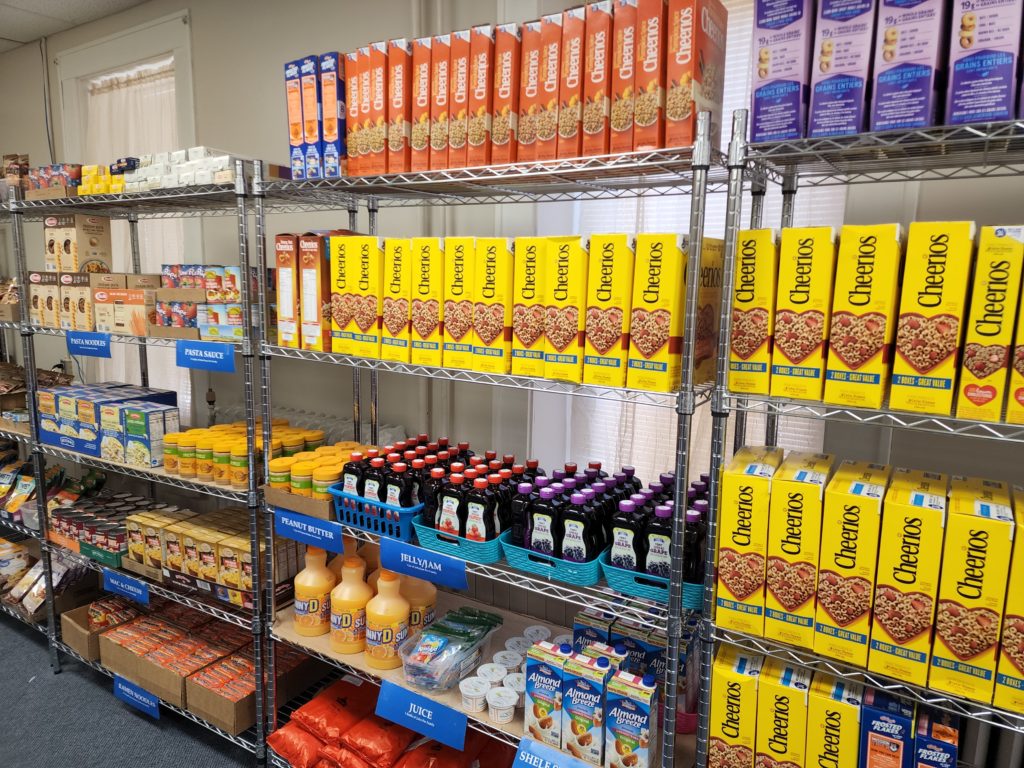
- Canned vegetables, beans, pasta, rice, cereal, and boxed meals
- Typical value: $25–$75 per visit
- Frequency: Weekly or monthly, depending on provider
Fresh foods
- Produce, bread, dairy, eggs, and frozen items
- Typical value: $15–$60 per distribution
- Frequency: Weekly, biweekly, or seasonal
Prepared or near-expiration foods
- Bakery items, deli meals, restaurant-prepared food
- Typical value: $10–$40 per pickup
- Frequency: Varies by partner and daily availability
Supplemental grocery benefits
- Monthly food purchasing benefits via government nutrition programs
- Typical value: $50–$300+ per month
- Frequency: Monthly allotments
3. How It Works
Free food programs exist to reduce hunger, prevent food waste, and support public health.
- Government nutrition assistance programs are publicly funded to ensure baseline food access for eligible households.
- Food banks and pantries redistribute donated food from manufacturers, farms, and retailers that cannot be sold but is safe to eat.
- Retail and restaurant recovery programs partner with apps and nonprofits to redirect surplus food that would otherwise be discarded.
These systems operate under established regulations, partnerships, and safety standards, making them legitimate and repeatable sources of free food.
4. Step-by-Step Instructions
- Identify official food assistance programs
Review eligibility and enrollment requirements for government nutrition benefits such as Supplemental Nutrition Assistance Program and Women, Infants, and Children. - Locate community food providers
Find local food banks and pantries operated by established nonprofits such as Feeding America and affiliated partners. - Register or confirm access rules
Some pantries require basic registration or proof of residency; others operate on a walk-in basis. - Use food recovery platforms
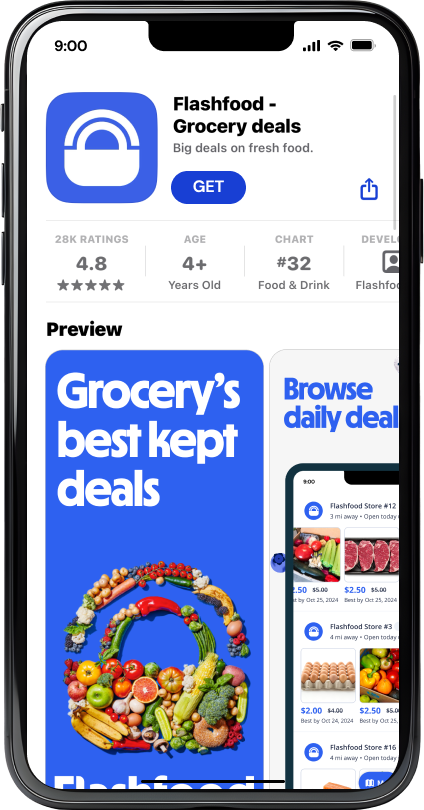
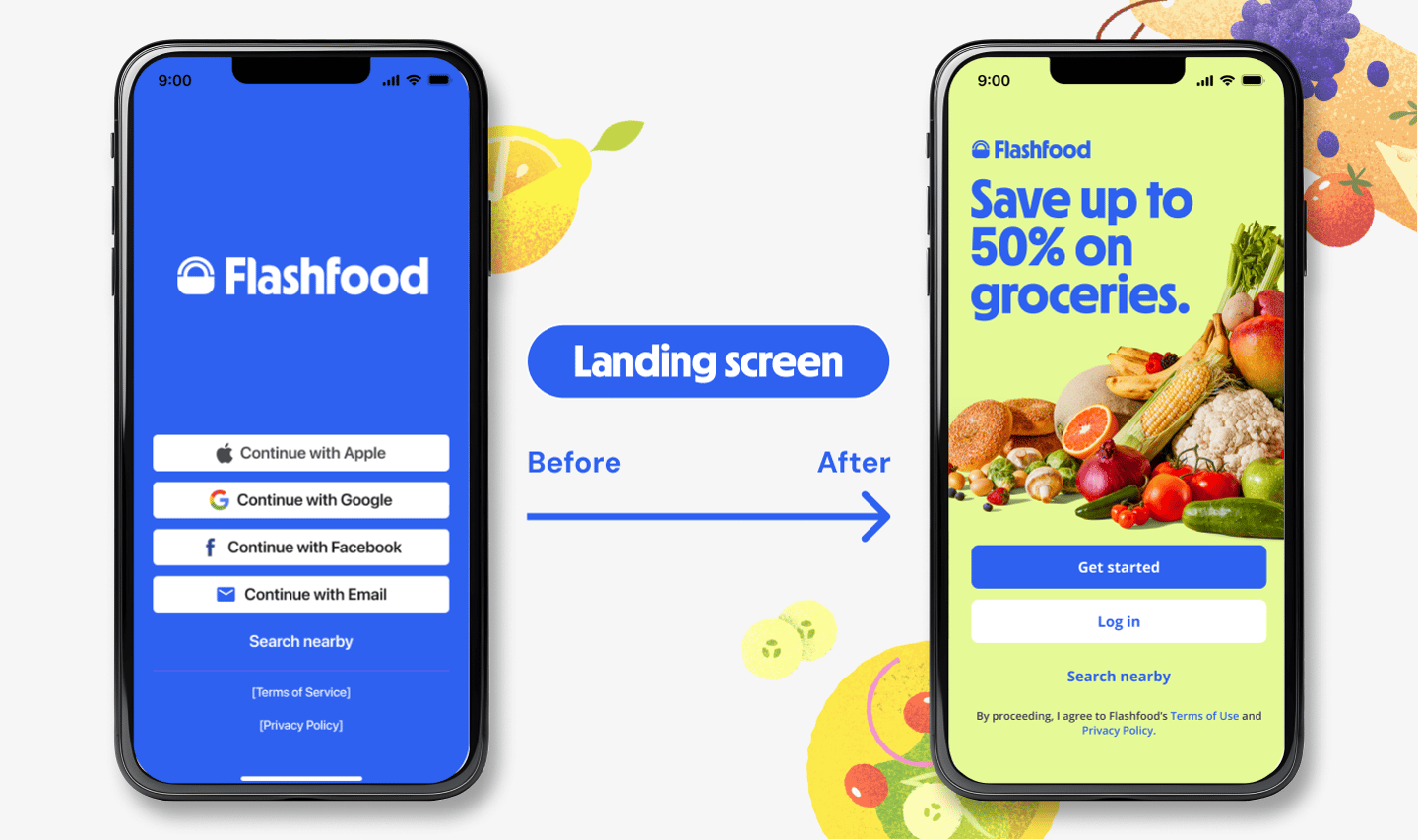
Download and create an account with food waste reduction services such as Flashfood or Too Good To Go to claim surplus food offered at no cost or minimal handling fees. - Attend pickup or distribution times
Arrive during scheduled windows, bring required containers or bags if noted, and follow posted guidelines. - Store and use food promptly
Refrigerate or freeze perishables immediately and follow standard food safety practices.
5. Pro Tips
- Early arrival increases selection at open-access pantries.
- Midweek distributions often have shorter lines than weekends.
- Combining one government program with one community pantry maximizes stability without overreliance on a single source.
- Checking recovery apps during late afternoon or evening increases chances of finding surplus listings.
6. Common Mistakes to Avoid
- Missing required documentation for enrollment-based programs.
- Skipping pickup windows, which may result in temporary suspension.
- Taking more than stated limits, which can jeopardize future access.
- Ignoring storage guidelines, leading to food spoilage.
7. Is It Worth It?
When it makes sense:
- Households with tight grocery budgets
- Individuals seeking short-term support during financial transitions
- Anyone aiming to reduce food costs without debt or long-term commitments
When it may not:
- Those with limited storage or transportation capacity
- Situations where time investment outweighs the food value obtained
Overall, free food programs provide a strong return on time for households that plan pickups efficiently and combine multiple legitimate sources.
8. Related Freebie Categories
- Free school meals and nutrition programs
- Utility assistance and energy credits
- Free or low-cost internet services
- Free household essentials and hygiene items