
Community Meal Programs: How Free Community Meals Work and How to Access Them



1. Quick Summary
What is free
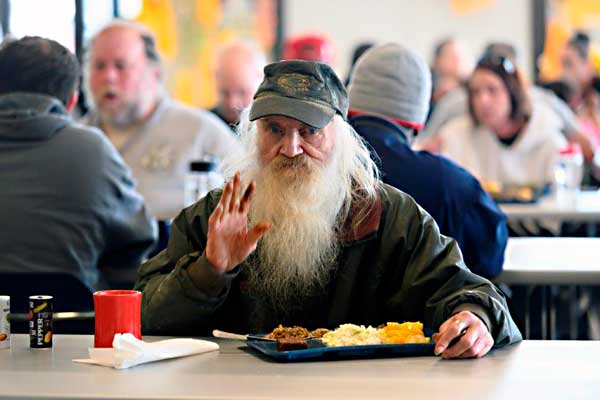
Prepared meals served at no cost through community-based programs.
Who generally qualifies
Open-access programs typically serve any adult who shows up during service hours. Some programs prioritize seniors, people with disabilities, or individuals facing short-term hardship, but many do not require proof or applications.
Typical value
$5–$15 per meal, depending on location, menu, and whether the meal is hot and freshly prepared.
Key limits or restrictions
Meals are usually limited to specific days and times. Some locations restrict meals to one per person per service window or offer meals only on certain days of the week.
2. What You Can Get
- Hot prepared meals such as breakfast, lunch, or dinner served on-site
Value: typically $5–$12 per meal
Limits: one meal per service period - Packaged “to-go” meals for later consumption
Value: $5–$10 per meal
Limits: availability varies; some locations require on-site dining first - Specialized meals (vegetarian, low-sodium, culturally specific)
Value: comparable to standard meals
Limits: offered on designated days or by select programs - Regularly scheduled dinners or weekly community suppers
Value: $8–$15 per meal
Limits: frequency depends on the host organization
3. How It Works
Community meal programs are typically operated by nonprofit organizations, religious institutions, municipal agencies, or food banks. The meals are funded through donations, grants, surplus food recovery, and volunteer labor.
These programs exist to reduce food insecurity, prevent hunger, and provide immediate nutrition without administrative barriers. Because the mission is public service rather than profit, meals are offered free of charge. Many programs intentionally avoid income verification to reduce stigma and ensure quick access.
Well-known national networks, such as Feeding America, support local partners by distributing food and funding. Organizations like The Salvation Army operate community meal sites nationwide. Some programs, including Meals on Wheels, focus on home-delivered meals for older adults or people with limited mobility.
4. Step-by-Step Instructions
- Identify a community meal location
Local community centers, churches, shelters, and nonprofit organizations publish meal schedules through flyers, bulletin boards, or public notices. - Confirm service days and times
Meal programs operate on fixed schedules. Arriving during posted hours is required for service. - Arrive during the service window
Most programs serve on a first-come, first-served basis. Early arrival may reduce wait times. - Check in if required
Some locations ask for a name or headcount for planning purposes. Identification is often not required. - Receive and eat the meal as directed
Meals may be served cafeteria-style, pre-plated, or packaged for takeaway, depending on the site. - Exit after the service period
Programs typically serve one meal per person per service window to ensure fair access.
5. Pro Tips
- Attend on regularly scheduled days rather than one-off events for more predictable access.
- Arrive early when meals are limited in quantity.
- Follow on-site guidelines regarding seating, takeaway containers, and service flow to avoid delays.
- Use multiple programs responsibly if schedules allow, without taking more than permitted at any single site.
6. Common Mistakes to Avoid
- Arriving outside service hours, which often results in no meal being available.
- Assuming daily availability when many programs operate weekly or on select days only.
- Taking more than the posted limit, which can lead to denial of future access.
- Expecting menu choice flexibility when meals are typically standardized.
7. Is It Worth It?
Time vs. value
For individuals with limited food budgets, the value of a hot, prepared meal generally outweighs the time spent traveling and waiting.
When it makes sense
- Short-term financial strain
- Gaps between paychecks
- Situations where cooking facilities are limited
When it does not
- When transportation costs exceed the value of the meal
- When service times conflict with work or caregiving responsibilities
8. Related Freebie Categories
- Food pantries and grocery distribution programs
- Free school or community breakfast programs
- Senior nutrition and home-delivered meal services
- Emergency food assistance and disaster meal programs