
Kids Eat Free Programs: A Practical Consumer Guide

1. Quick Summary
- What is free: A children’s meal at participating restaurants when dining with a paying adult.
- Who generally qualifies: Children within a defined age range, accompanied by an adult who purchases a qualifying entrée.
- Typical value: Approximately $5–$12 per child, depending on the restaurant and menu.
- Key limits or restrictions: Specific days or times, dine-in only, age caps, one free child’s meal per adult entrée, limited menu choices.
2. What You Can Get
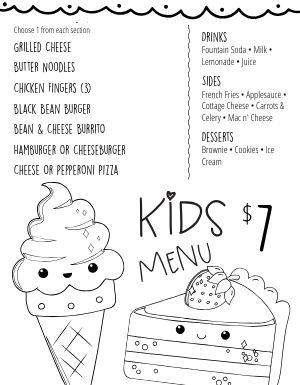
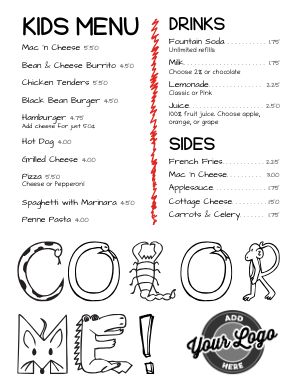
- Free children’s meals that usually include an entrée, a side, and a drink.
- Menu scope: Often limited to the restaurant’s kids’ menu rather than the full menu.
- Value range: Comparable to the standard kids’ menu price at that location.
- Usage limits: Commonly restricted to certain weekdays, specific hours (such as evenings), and one child per paying adult. Some locations cap the number of free meals per table.
3. How It Works
Kids-eat-free programs are restaurant promotions designed to attract families during slower dining periods. Restaurants offset the cost of a child’s meal with the purchase of adult entrées, increasing overall ticket size and repeat visits. Because these programs are planned marketing offers—often standardized by large chains or approved at the franchise level—they are legitimate, predictable, and widely used in the industry.
4. Step-by-Step Instructions
- Choose a participating restaurant. Many national chains and local family restaurants offer kids-eat-free promotions on specific days.
- Confirm the timing. These offers are typically valid only on designated days of the week or during set hours.
- Dine in. Most programs require on-premises dining; takeout and delivery are usually excluded.
- Order qualifying adult entrées. Each free child’s meal is tied to the purchase of an adult entrée.
- Request the kids-eat-free offer when ordering. Staff apply the promotion at the time of the order or on the check.
- Review the receipt. The child’s meal should be listed as discounted or free according to the offer.
5. Pro Tips
- Weekday evenings are most common. Monday through Wednesday are typical promotion days.
- Check location participation. Franchise-owned locations may opt in or out.
- Arrive early in the offer window. Some promotions end earlier than posted closing times.
- Know the age limits. Many programs restrict eligibility to children under 10 or 12.
- Order qualifying items only. Substitutions or premium add-ons may void the free portion.
6. Common Mistakes to Avoid
- Assuming all locations participate. Policies can vary by franchise or region.
- Expecting takeout eligibility. Most offers are dine-in only.
- Overlooking adult purchase requirements. A free child’s meal almost always requires a paid adult entrée.
- Expecting unlimited free meals. Restaurants commonly limit one free child’s meal per adult.
- Missing the designated day or time. Outside the promotional window, standard pricing applies.
7. Is It Worth It?
- Time vs. value: For families already planning to dine out, the savings are meaningful with minimal extra effort.
- When it makes sense: Casual family dining, weekday meals, and households with multiple children.
- When it does not: If dining times do not align with promotional windows or if menu limitations do not meet preferences.
8. Related Freebie Categories
- Free kids’ activities and workshops
- Restaurant birthday meals
- Family entertainment promotions
- School-age meal assistance programs
Examples of restaurants known to run kids-eat-free promotions at some locations include IHOP, Denny’s, and Applebee’s. Availability, days, and terms vary by location and are subject to change.